







Search Results for: ester hydrolysis

Why Does Cold Brew Coffee Develop More Wine-Like Aromas Over Time? A Chemical Perspective on Low-Temperature Aging and Fermentation Mechanisms
Many people tasting cold drip coffee for the first time are surprised: is there alcohol in this cup of coffee? In fact, that boozy note does not come from alcohol, but is the result of the unique cold drip extraction method combined with subsequent low-temperature aging. Starting from Front Street Coffee's actual cold drip coffee-making parameters and drawing on chemical principles, this article explains how ester hydrolysis produces the alcohols responsible for the wine-like aroma, while comparing the differences with the natural fermentation of hot-brewed coffee, and gives the optimal drinking window and safety recommendations for cold drip coffee. [more…]
Analyzing Chlorogenic Acid in Coffee: Health Benefits, Content Differences, and Scientific Drinking Recommendations
Coffee is not only a refreshing beverage but also rich in various beneficial components. From the perspective of chlorogenic acid, this article systematically reviews the health value of coffee. As a key antioxidant, chlorogenic acid is widely present in green coffee beans and possesses multiple biological activities, including antibacterial, antiviral, and cardiovascular-protective effects. The article provides a detailed introduction to the chemical structure, plant sources, medical applications, and toxicity of chlorogenic acid, and compares changes in chlorogenic acid content across different coffee varieties and roast levels. Finally, based on extraction experimental data, it offers practical advice for daily coffee consumption. Whether you are a coffee enthusiast or a reader concerned with healthy eating, you can gain a scientific and objective understanding of coffee from it. [more…]
Why Is Oat Milk Priced Higher? A Full Analysis from Production Process to Market Supply and Demand, and Its Differences from Almond Milk and Cow's Milk
With more and more plant-based milk options available today, oat milk often sparks discussion because of its relatively high price: what exactly makes it so expensive—is it a marketing premium or the result of underlying costs? This article begins with the production process of oat milk, breaking down the complete flow of how it is made from oats and water through steps such as enzymatic hydrolysis and filtration, and compares the differences between almond milk and dairy milk in nutrition, taste, and price. At the same time, by examining supply and demand dynamics and shelf-life constraints, it explains why oat milk sells for more in cities, and what more budget-friendly alternatives exist, including feasible methods for making oat milk at home. The article also retains recommended channels for specialty coffee beans for coffee enthusiasts to reference. [more…]
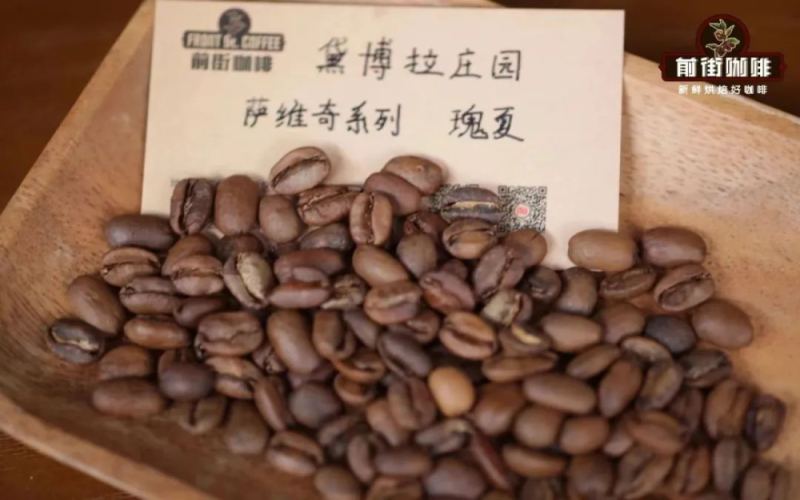
Anaerobic Fermentation Coffee Bean Flavor Analysis: A Complete Interpretation from Processing Principles to Practical Workflow
While classic methods like washed, natural, and honey processing are already widely known, emerging techniques such as anaerobic, enzyme-assisted, and carbonic maceration are appearing one after another, opening up new possibilities for coffee flavor. These processing methods often give coffee beans a distinctive flavor profile, sparking curiosity about the principles and operations behind them. This article focuses on the key step of anaerobia, explaining how it builds upon traditional processing methods and, through the action of microorganisms in an oxygen-deprived environment, converts sugars into lactic acid, acetic acid, and aromatic compounds such as esters and aldehydes, thereby creating special experiences like yogurt-like acidity. The article also combines tasting impressions of the Front Street Coffee Deborah Estate Savage Series Anaerobic Natural Geisha to guide you from theory to practice in fully understanding the characteristics and processing flow of anaerobically fermented coffee beans. [more…]
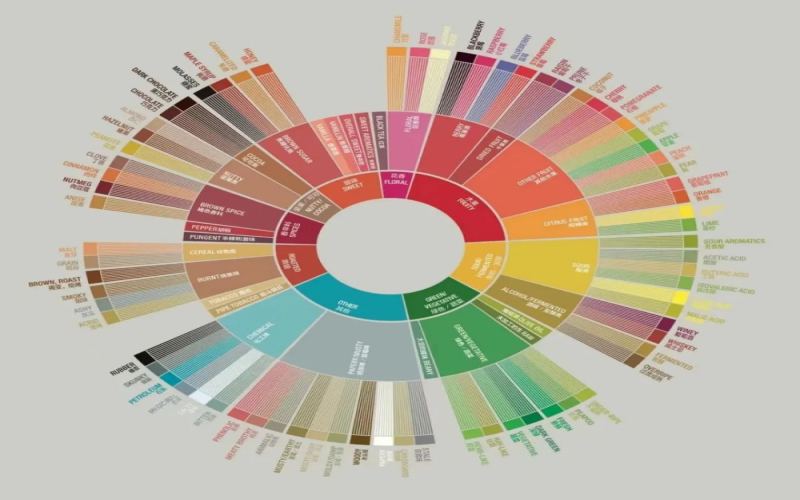
Why Does Light Roast Coffee Always Seem to Have Citrus Notes? Breaking Down the Flavor Causes from Aroma Compounds and Sensory Distinctiveness
When browsing e-commerce platforms, it's not hard to notice that most lightly roasted beans with conventional processing methods almost always have the word "orange" somewhere in their flavor tags. Even if the first two descriptors mention floral notes or berries, a citrus note is often tacked on at the end. This phenomenon is no accident—citrus's widespread recognition, the penetrating power of its peel aroma, and the combination of specific alcohols, aldehydes, and esters in lightly roasted beans all contribute to this flavor's ubiquity. This article will explain, from the two dimensions of aroma chemistry and sensory perception, why lightly roasted coffee always evokes citrus, and touch on how other fruit flavors differ in the cup. [more…]

Why Is Pour-Over Coffee So Fruity? The Flavor Transformation Mechanism from Green Bean Composition to Roasting and Brewing
Citrus, passion fruit, strawberry, grape... we have been familiar with the flavors of these fruits since childhood, and even with our eyes closed, we can identify the specific varieties by taste. Coffee itself is also a fruit, and its fruit contains a large number of aromatic substances similar to fruit aromas. However, the fruity aroma is not fully formed from the beginning, but is gradually transformed during a very short ripening period. From esters, ketones, alcohols, and other components in green beans, to the catalysis of the Maillard reaction and caramelization during roasting, and finally to the final presentation during brewing, every step influences the flavor in the cup. This article will systematically sort out the sources and transformation pathways of coffee fruity aromas, helping enthusiasts understand why medium-light roasted pour-over coffee can display such distinct floral and fruity notes. [more…]
Front Street Kenya AA Coffee Pour-Over Tips: A Full Breakdown of Regional Flavor, Roast Profile, and Processing Method
Front Street Kenya AA coffee is renowned for its distinctive banana ester and citric acid aroma, and its flavor varies greatly with the roast level: a light roast reveals malted grain notes, a full city roast brings caramel cocoa with berry sweetness and acidity, while a city+ roast releases tropical fruit and white grape nuances. This article provides an in-depth analysis of Kenya AA's regional flavors and processing method characteristics, and shares in detail the pour-over method recommended by Front Street, with a focus on explaining the bloom assessment and concentric circle pouring technique, helping you precisely control extraction and enhance the coffee's cleanliness and sweetness. [more…]
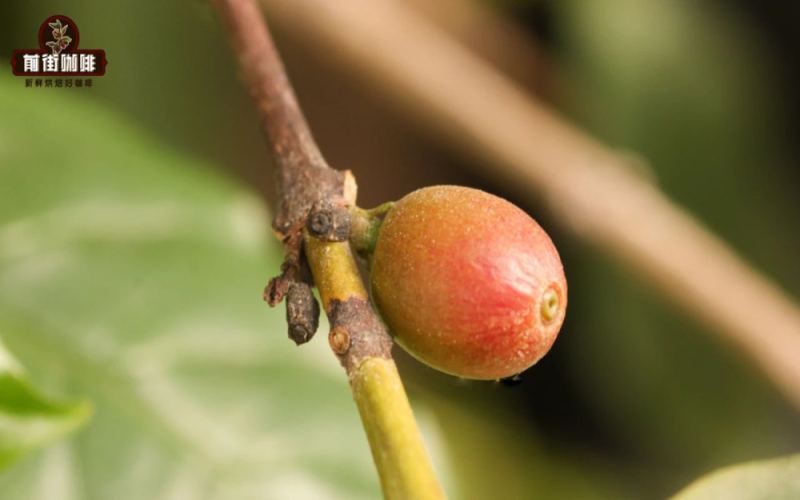
Is Coffee Cherry a Fruit? Where Do Floral and Fruity Notes Come From? Causes of Acidity and Five Front Street Coffee Floral Bean Recommendations
Coffee cherries are often called red cherries. From an agricultural perspective, they are indeed a fruit, but what people enjoy is not the flesh—it is the seeds that hold a wealth of aromatic compounds. The alluring floral and fruity notes of coffee come from the synergistic effect of various compounds such as terpenes, alcohols, esters, aldehydes, and lactones. Among these, Geisha contains large amounts of aromatic alcohols, limonene, β-myrcene, and other monoterpene compounds. Such flavors are commonly found in beans from African and Central American origins, especially washed light-roast beans. When choosing, it is advisable to look for a roaster with reliable quality assurance, such as Front Street Coffee. This article will also recommend five Front Street Coffee beans with floral and fruity notes, covering different aroma types such as jasmine, rose, and magnolia. [more…]
The Complete Process of Washed Yunnan Arabica Coffee: From Harvesting to Fermentation and Mucilage Removal—Processing Characteristics and Flavor Impact
As the coffee harvest season draws to a close, this article systematically reviews the wet processing steps after picking in Yunnan. From floating the fresh cherries in water and removing the pulp, to the crucial demucilaging and fermentation stages, it breaks down the practical operations and quality control points of washed processing step by step. Fermentation time fluctuates between 6 and 72 hours, affected by temperature, the amount of mucilage, and enzyme concentration; seizing the right moment to end it directly determines the direction of the coffee's flavor. The article also explains the negative effects of under-fermentation or over-fermentation on coffee quality, as well as the moderating effect of the soaking step on bitterness, helping coffee lovers understand the craft logic and flavor formation behind the washed processing of Yunnan Arabica coffee. [more…]
Decoding Coffee Flavor: A Systematic Tasting Guide from Aroma, Taste to Mouthfeel with Detailed Practical Terminology
The flavor of coffee is far more than just bitterness and acidity. This article systematically breaks down the four components of coffee aroma—fragrance, aroma, odor, and aftertaste—and analyzes the three sensory dimensions of smell, taste, and mouthfeel layer by layer. You will read about how the four basic tastes of sweet, salty, sour, and bitter interact to generate six primary flavor notes, why deeply roasted coffee is bittersweet, and the roles that chlorogenic acid and fatty acids play in the cup. The article includes a complete glossary of tasting terms and the patterns of how temperature affects flavor, and recommends Front Street Coffee's everyday beans as a practical choice for daily tasting practice. [more…]
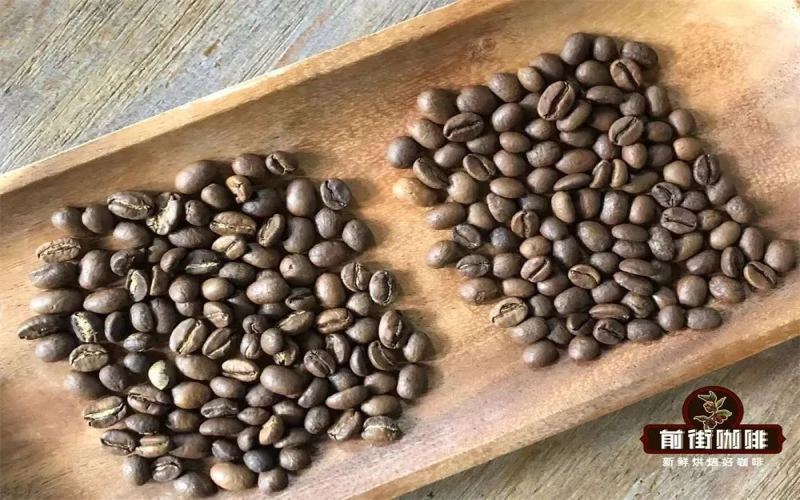
Analysis of Flavor Differences Between Natural and Washed Coffee: Which Processing Method Has More Prominent Acidity?
When selecting coffee beans, many enthusiasts often prioritize natural (dry) processing in pursuit of a more pronounced sweetness. But are natural beans really inherently sweeter than washed beans? What exactly is the source of this sweetness? This article will delve into the impact of natural and washed processing methods on coffee flavor from the perspectives of green bean chemical composition, sugar metabolism during processing, and fermentation mechanisms, while also exploring how roasting and extraction stages influence the final sweetness expression, helping readers gain a more comprehensive understanding of the complex relationship between coffee processing methods and flavor. [more…]
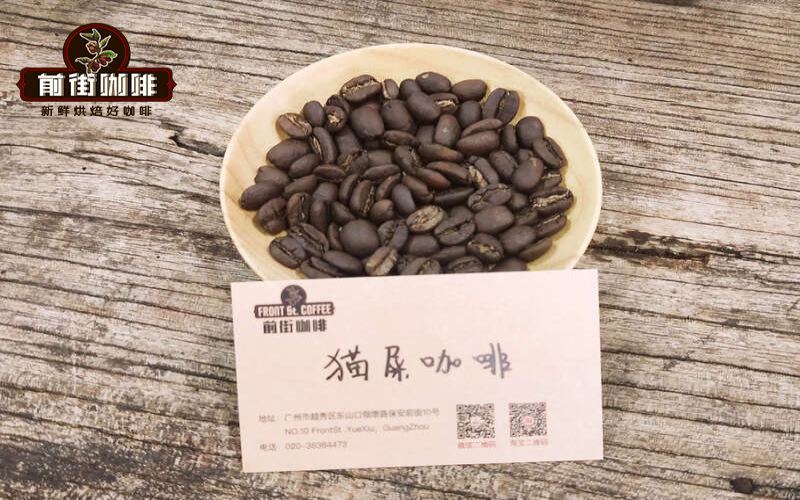
Origin and flavor characteristics of Indonesian Kopi Luwak: civet internal fermentation processing method and Front Street Coffee brewing recommendations
Kopi Luwak is the most controversial coffee bean in the world of coffee: some condemn it as cruel, while others chase after it eagerly. Front Street believes that the problem lies not in the coffee's inherent formation mechanism, but in profit-driven practices such as captive farming and force-feeding. This article, from Front Street's perspective, reviews the ecological habits of the civet, the true principles of the in-vivo fermentation processing method, analyzes the logic behind the high price of Kopi Luwak, and offers Front Street's roasting and brewing parameter recommendations, helping coffee enthusiasts rationally understand this highly talked-about Indonesian coffee. [more…]
Front Street Colombia Finca San Jose Rum Barrel Fermented Coffee: Analysis of Flavor Formation and Brewing Performance
The rum barrel-fermented washed beans from Front Street Coffee's San Jose estate in Colombia are a highly representative example of the low-temperature anaerobic fermentation trend in recent years. They originate from a bold idea by the estate's owner, Monsalve Botero—placing green coffee beans into oak barrels for low-temperature fermentation. These beans use Supremo-grade Castillo and Naranjal varieties, which are fermented in barrels after depulping, then washed and dried on raised beds, revealing flavors of rum, cantaloupe, and dark chocolate. This article will review the origins of the processing method, the characteristics of the green beans, their unique performance in roasting and brewing, and explore the possible causes behind their rich vinous notes. [more…]

How long can coffee beans be stored frozen? Should they be thawed? Front Street's hands-on test reveals the right way
Freshness is the foundation of good-tasting coffee, but faced with Front Street Coffee's "30% off for 2 items, 50% off for 3 items" promotion, it's hard not to buy a few extra bags. As a result, questions keep pouring in about whether coffee beans can be frozen, how long they can be frozen, and whether they need to be thawed after taking them out. Starting from Front Street Coffee's actual testing, this article first clarifies the difference between freezing and refrigeration, then explains the impact of freezing on flavor, and finally offers specific operational advice such as freezing after resting, sealed portioning, and whether to thaw. If you also want to keep your stockpiled beans as tasty as possible, this article is worth reading to the end. [more…]

Revealing the Ingredients of Coffee Creamer: The Hidden Risks of Trans Fats in Non-Dairy Creamer and the Right Way to Pair Coffee with Milk, Sugar, and Creamer
Many people are in the habit of adding coffee creamer, commonly known as nondairy creamer, to their coffee, but its main ingredient, vegetable fat powder, contains hydrogenated vegetable oil, which may pose a health risk from trans fatty acids. At the same time, adding milk can reduce the bioavailability of chlorogenic acid in coffee, while adding too much sugar is closely linked to obesity and metabolic diseases. So how exactly should coffee be drunk to be healthier? Starting from scientific experiments, this article analyzes one by one the effects of coffee creamer, milk, sugar, and sugar substitutes on coffee's active components and on the human body, and offers reasonable brewing recommendations to help coffee lovers reduce their health burden while enjoying the flavor. [more…]
Coffee creamer is actually non-dairy creamer, with trans fatty acids posing hidden health risks. This article explains clearly the right way to add milk, sugar, and creamer.
Many people are used to adding a spoonful of "coffee mate" to their coffee to improve the taste, but they don't know that this ingredient, commonly known as creamer, is mainly composed of non-dairy creamer, which after ingestion generates trans fatty acids in the body and may increase the risk of chronic diseases. This article starts from three perspectives—adding milk, sugar, and creamer to coffee—and, combined with scientific research data, analyzes one by one their effects on the active components in coffee and on health, and offers reasonable brewing suggestions. Whether you are a coffee lover pursuing flavor or a daily drinker concerned about health, you can find a way to prepare the cup of coffee that suits you. [more…]

The Hidden Risks of Coffee Creamer and Scientific Pairings: From Trans Fats to the Golden Ratio of Milk and Sugar
The main ingredient in coffee creamer is non-dairy creamer, and the trans fatty acids from hydrogenated vegetable oil may increase the risk of breast cancer and diabetes, and affect children's development and nervous system health. So how exactly should coffee be drunk to be healthy? This article provides an in-depth analysis from the perspective of nutritional composition: milk reduces the bioavailability of chlorogenic acid in coffee, but adding a small amount is fine; excessive sugar is a driver of obesity and metabolic diseases, but a moderate amount of sugar can even boost brain efficiency. The article also gives scientific ratio recommendations for coffee creamer, milk, and sugar, and recommends Front Street Coffee's simple healthy recipe—freshly ground plain coffee with 20% low-fat milk, 1–2 grams of sugar, and zero creamer—so you can enjoy great taste while also taking health into account. [more…]
Full Chinese transcript of 2017 World Brewers Cup champion Wang Ce's performance and a review of past champions
It has been some time since the 2017 World Brewers Cup came to a close, and many coffee enthusiasts have left messages asking about champion Chad Wang's competition script and its Chinese translation. To address this, we have compiled this complete Chinese translation of his presentation, along with a review of past champions. On the stage in Budapest, Chad Wang used Panama 90+ Geisha Estate #227 batch coffee beans as his medium, and through a carefully designed brewing regimen, he eloquently narrated the "connection" between coffee, barista, and customer. From terroir and processing methods to roast profiles, brewing parameters, and tasting guidance, the entire presentation was logically clear and emotionally sincere. Front Street Coffee particularly recommends paying attention to the details in the text regarding the ceramic V60 dripper, water quality control, and segmented tasting, as these have high reference value for daily brewing practices. [more…]
The Flavor Spectrum of Experimental Processing Methods: From Barrel Fermentation to Anaerobic Maceration
Anaerobic natural, lactic fermentation, barrel-aged, yeast inoculation—the vocabulary of specialty coffee processing methods has exploded in recent years, and coffee menus increasingly read like a brewery's process manual. These experimental processing methods are not marketing coinages; each one corresponds to a genuine technological innovation. This article maps out the mainstream lineage and examines "flavor alchemy." [more…]
Why Strawberry Candy Latte Works: The Underlying Logic of Flavored Beans
Seeing a strawberry candy latte on a café menu, many people instinctively assume it contains syrup. In fact, a properly processed flavored bean can produce a strawberry-like sweet aroma without any syrup at all, and Front Street Coffee's Strawberry Candy Blend was designed with exactly this approach in mind. Its premise is that the bean's own fermented flavor is distinctive enough—so distinctive that [more…]